Genetically Engineered Mosquitoes Combat Spread Of Deadly Diseases
Mosquitoes are those annoying pests that cause mild discomfort on a warm summer’s day, but they are also responsible for the transmission of deadly diseases such as dengue fever and the zika virus. Aedes aegypti, an invasive mosquito species that calls the Florida Keys its home, causes most of these infections each year. With the help of genetic engineering, U.K biotechnology company Oxitech have developed a genetically altered variant of Aedis aegypti that can destroy the species from the inside out.
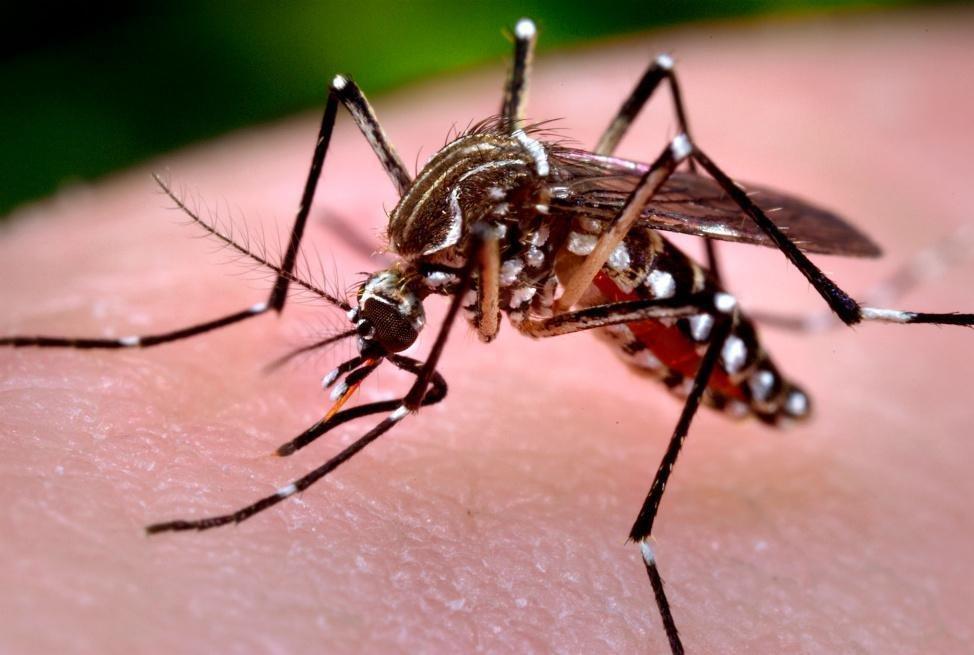 |
| The deadly Aedis Aegypti or yellow fever mosquito, notorious for spreading deadly viruses such as dengue fever. |
Mosquito transmitted diseases account for tens of millions
of cases of illness every year. Rises in global temperature and urbanization
have increased their population sizes. In addition, mosquitoes are becoming more resistant to the insecticides that have kept them at bay for years. A new approach was necessary. Well, if we can’t reduce their current population, what options do we have? One method
is to reduce the size of the next generation of mosquitoes. Oxitech have done
this by altering the genome of male mosquitoes so that they pass down a gene to
their female offspring that makes them reliant on an antibiotic called tetracycline
to survive as larva. As these mosquitos are introduced into the population, the
gene will be transmitted to the next generation of females, and the number of females in the population will gradually
decrease over time, eventually leading to extermination.
To test this idea, Oxitech released these mosquitos into
several islands of the Florida Keys. This field test is the first step in
acquiring full project approval from the EPA to release these mosquitos more widely
in the US. However, the U.S isn’t the only country interested in this method. Oxitech
received funding from Britain’s Welcome Trust to release the mosquitoes
into key areas of Brazil and there is recent evidence that this technology has
successfully reduced Aedes aegypti populations in
these locations by up to 95%. Oxitech is working on developing eight other
species of genetically engineered insects, including other mosquitoes to reduce the risk of malaria transmission.
Comments
Post a Comment