Beaver Dams reduce the Impacts of Climate Change
During late summer of 2021, the Bootleg fire ravaged the Upper Klamath Basin area in Oregon, destroying vegetation and damaging its wildlife. Surveys of the area following the fire season in autumn of that year showed that many rivers and tributaries ran black, polluted by ash and debris. Runoff from autumn rains transferred wildfire sediments into the river, killing off the native trout population. However, it was observed that in an area of the Dixon creek, a tributary flowing into the Sprague River, that lush green vegetation was preserved and water flowing from the creek was clear. The difference? Dixon creek was home to 8 beaver dams that effectively filtered sediment from the water upstream.
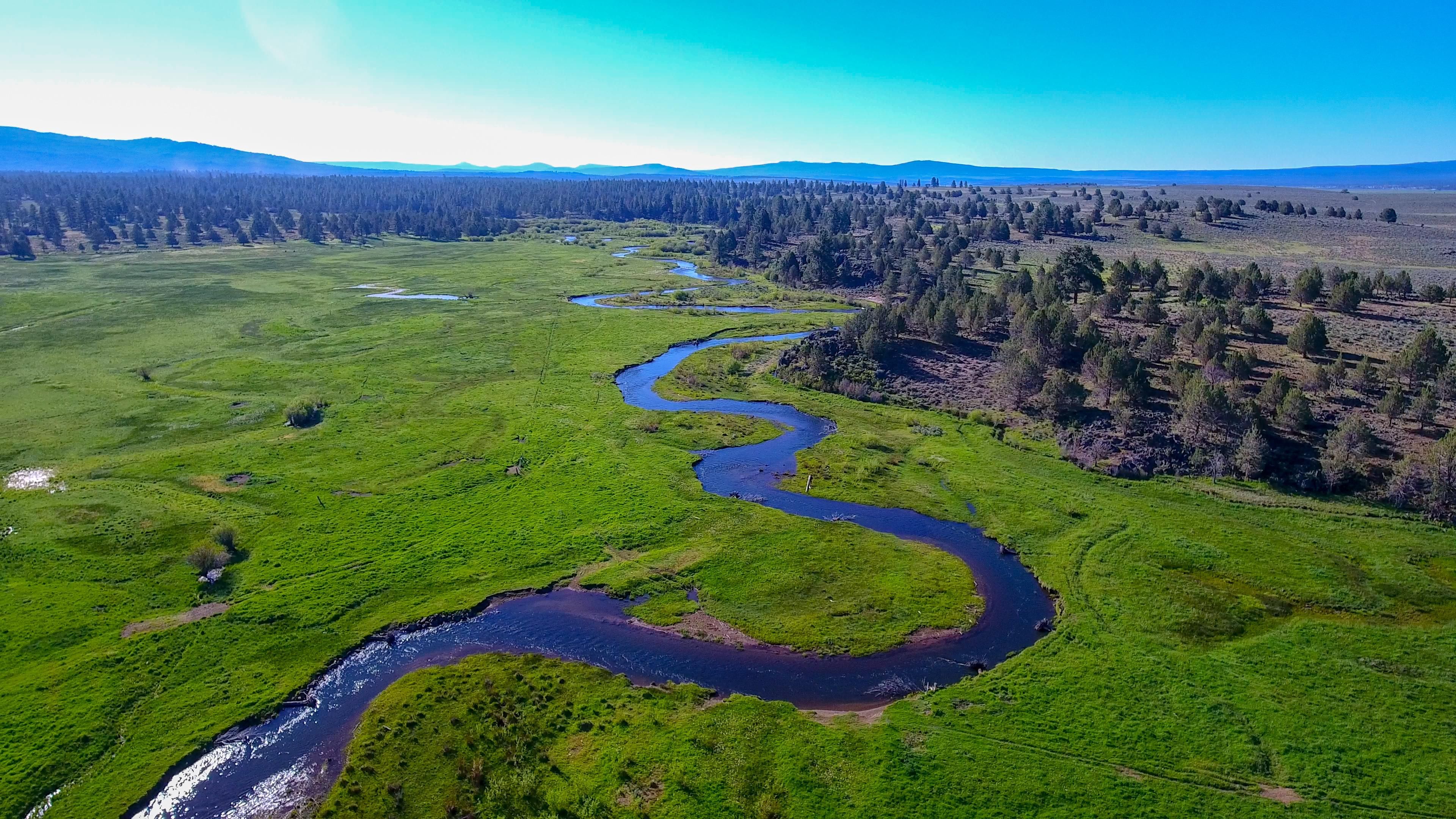 |
| The Sprague River runs through Klamath County in Oregon |
This sighting agreed with previous observations of the effects of beaver dams on riverbank ecosystems post-wildfire in the western U.S. It was also known that beaver dams in a river system could filter sediment from eroded rocks, but this was the first-time scientists had seen this principle applied to wildfire runoff. Beaver dams accomplish this by decreasing the current of water passing through them. Sediment contained in this water is allowed to sink to the bottom of the river floor where it is less likely to block the gills of fish living in the river. Beaver dams are helpful in ecosystem recovery, but beavers themselves are not as common as they once were.
 |
| An example of a natural sediment filter - otherwise known as a beaver dam |
Beavers used to be a common animal in the U.S with
populations as large as 200 million when European settlers arrived. They were
hunted to a population a fraction of the size by the 19th century due
to the popularity of the fur trade. Today, there are only around 15 million beavers
nationwide. Beavers and by extension beaver dams can improve water quality where
wildfires are common, especially as they’ve become more frequent due to climate
change. Because of their ecological benefit, some scientists and organizations are
pushing for conservation and reintroduction of beavers to the western U.S. Despite
this, some landowners believe that beavers are pests, as they can be responsible
for knocking down trees and flooding roads.
To provide temporary wildfire runoff protection in
anticipation of the rainy season, scientists have applied their observations to
create beaver dam analogues (BDA). The U.S Fish and Wildlife Service in
collaboration with a nonprofit conservation group called Trout Unlimited, have
placed 41 BDAs along the Sprague River. However, BDAs do not replace the need
for naturally made beaver dams, since they require maintenance to sustain. The Klamath
Tribes are aware of this fact, and plan to use BDAs to restore the habitat of
the Klamath Basin to attract beavers or make their reintroduction easier. They hope
for a future where the basin can return to its natural state before the fur
trade.
Comments
Post a Comment